


What to know about high visibility clothing

If your team works near moving vehicles, heavy equipment, or in low-light conditions, high-visibility clothing is a safety requirement that helps comply with industry standards and, more importantly, helps keep your team safe. This article explains how a high visibility uniform rental program is a vital component in helping to ensure worker safety, breaks down what you need to know about ANSI/ISEA 107 classes and types, and gives tips on how to pick safety garments in accordance with the compliance requirements.

Table of Contents

Visibility is an investment for safety

Every year, struck-by incidents and vehicle collisions rank among the leading causes of workplace fatalities. This is because workers face real risks in roadway zones, construction sites, warehouses, and any area where vehicles, equipment, or machinery and people share space. The sooner a driver or equipment operator can spot a worker, the more time they have to react. The ANSI and multiple studies suggest that accidents can be reduced by 55% when using high visibility clothing.

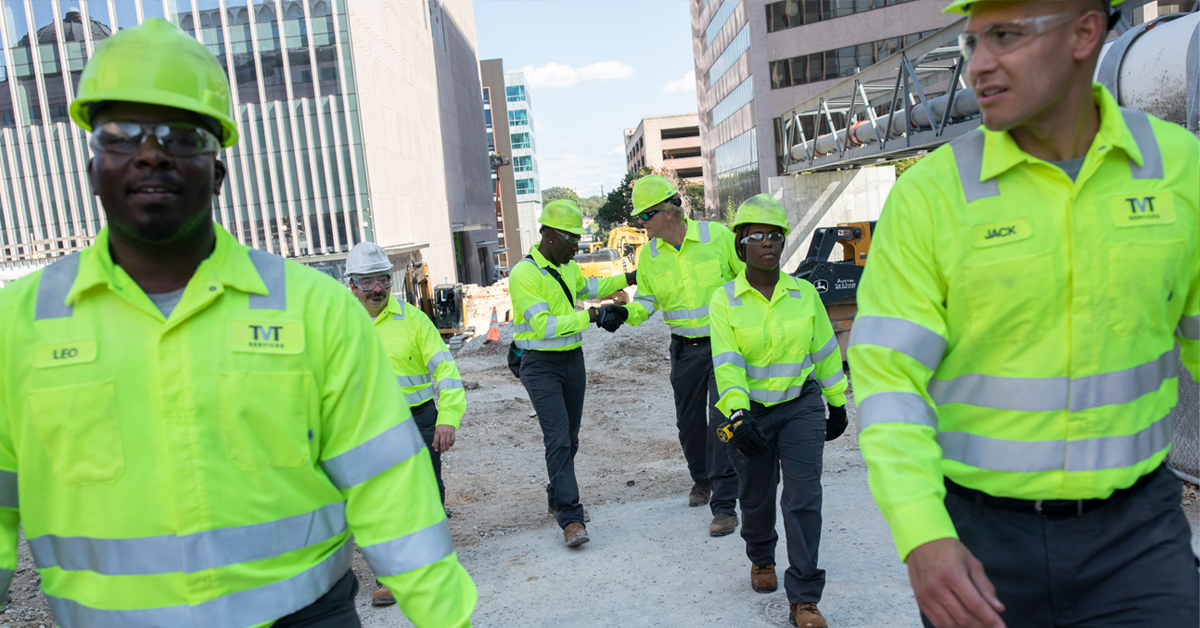
With this in mind, high-visibility apparel does more than make someone easier to see. It has specific designs and materials that not only signal when a worker is present, but also their orientation, their moves, and position thanks to the reflective striping placed around moving joints, so an operator knows which way that person is facing. This is often called biomotion enhancement, which helps the human eye recognize a person rather than a static object. This and other properties like the required colors by OSHA, the class rating, and performance in different environments, make high visibility garments a thoughtful investment more than just a box to check.

Bottom line: Visibility supports faster decisions and better reaction time, and that can help reduce preventable accidents.

Understanding the standards: ANSI/ISEA 107 classes and types

The ANSI/ISEA 107 standard is the U.S. benchmark for high visibility safety apparel. It sorts garments by type (the environment) and class (the level of visibility a material has). Getting familiar with both type and class makes selection much simpler.
TYPES

Where the work happens

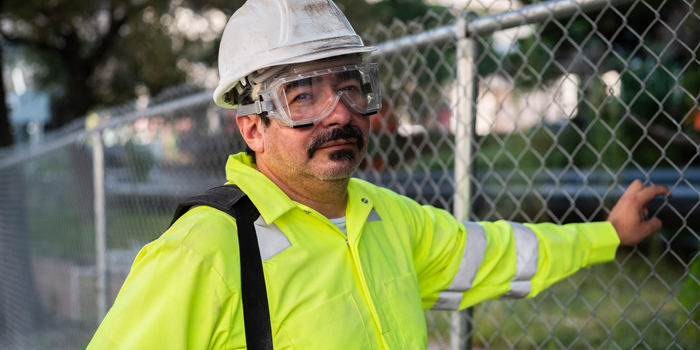
A man wearing ANSI/ISEA 107 clothing stands near a chain link fence
Type O (Off-Road)

Designed for off-road environments away from public traffic.

Type R (Roadway)

For workers exposed to roadway rights-of-way and temporary traffic control zones.

Type P (Public Safety)
Built for first responders and similar public safety roles.
CLASSES

Level of required visibility

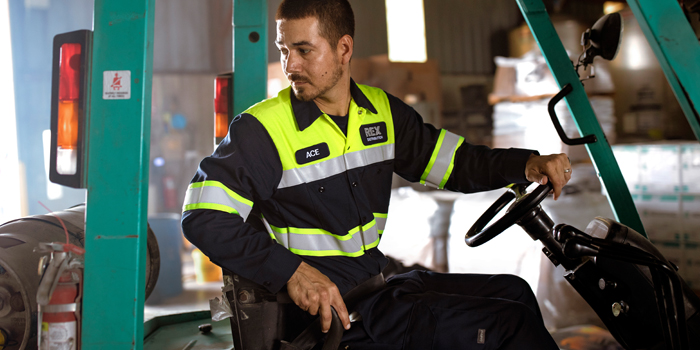
A worker operating a forklift wearing high visibility clothing in a warehouse setting
Class 1

Minimum required high visibility material, suited to off-road settings.

Class 2

A common choice for roadway work and traffic control zones.

Class 3

Offers greater visibility in complex backgrounds and supports a full range of movements. A sleeveless vest alone does not meet Class 3.

Class E
Items like pants that, when worn with Class 2 or 3 garments, bring the full outfit up to Class 3.

It’s important to note that Canada uses CSA Z96, and Europe follows ISO 20471. Though these standards are similar in purpose, their specific requirements for classes and performance levels differ. If you have questions, we are happy to help.

OSHA expects employers to perform a hazard analysis to determine the right performance class, and here is when a trusted partner comes in handy. Our experts will help you understand relevant documentation and navigate compliance with ease, contact us for more information.

How to select garments for your environment

A woman standing in front of a dark background wearing safety apparel
Choosing high visibility clothing comes down to matching the gear to the hazard. Use this quick checklist to guide your decision:
IDENTIFY THE HAZARD

Are workers near public traffic, off-road, or in low-light spaces? This question points you toward the right type.

MATCH THE CLASS TO THE RISK

Higher-speed traffic and busy, cluttered backgrounds usually call for Class 2 or Class 3.

THINK ABOUT COVERAGE AND MOVEMENT

Jobs that require a lot of motion benefit from garments that keep workers visible from multiple angles while supporting comfort and adaptability to a wide range of movement.

CONSIDER THE CONDITIONS

Hot weather, rain, and cold each call for different fabrics, from breathable shirts to hoodies.

PLAN FOR UPKEEP

Reflective performance fades when gear gets worn or dirty, so a maintenance plan matters.
To summarize, a shirt that works fine on a quiet off-road site may fall short on a busy highway, and matching the garment to the setting helps keep workers protected and your business compliant. These points also highlight the importance of expert advice when selecting safety apparel, and the value in partnering with a provider that maintains your garments and ensures they are in the best condition.

Building a practical visibility uniform program

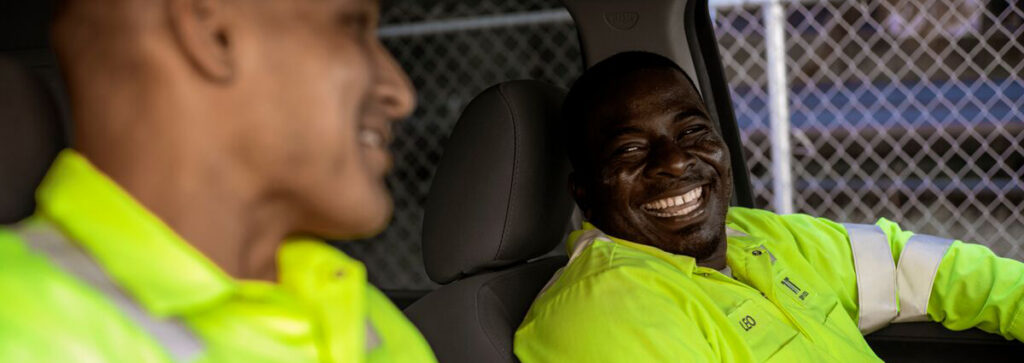
Two men sitting in a truck laughing while wearing high visibility clothing for jobsite safety

The ideal protection is a mix of high visibility safety apparel like shirts and polos for warmer days, enhanced visibility vests for layering, and jackets for cold or wet conditions.

Here’s a simple example. A road construction crew might wear Class 2 short-sleeve shirts in summer, then switch to Class 3 jackets in winter. Pairing those with jeans displaying YSY reflective striping helps increase protection to conditions that exceed the precautions you initially intended.

In a uniform rental program, these strategies are carefully thought through with an expert partner. Our program also includes proper care, laundering, replacements, and tracking inventory along with a proactive service team. With UniFirst’s program you get all this and access to our 24/7 UniFirst Portal for a complete view of your uniform services, which is especially useful with multi-location programs.

In summary

Compliance is more than just checking a box or a fancy term; it’s about your team’s safety. A well-managed high-visibility uniform program is a critical component to help keep your team visible, safe and compliant in all conditions.

The steps to start your uniform selection include a hazard analysis, then matching the right ANSI/ISEA type and class to each role, continues with building a work apparel program that covers your seasons and conditions, and finally setting up a plan with your provider to keep reflective materials in good shape.

Smart choices around high-visibility clothing can help keep your crew safer and your business aligned with federal and other safety standards. If you want more information, we can review your current uniform program together and update it where needed. Just fill out the form to get started.

Request more information

Let us know how we can help you by filling out the form and a UniFirst representative will contact you shortly.

"required" indicates required fields

This field is for validation purposes and should be left unchanged.